Welcome: Xiamen ZoneWu Technology Co., LTD.

qui@zonewu.com
18146178586
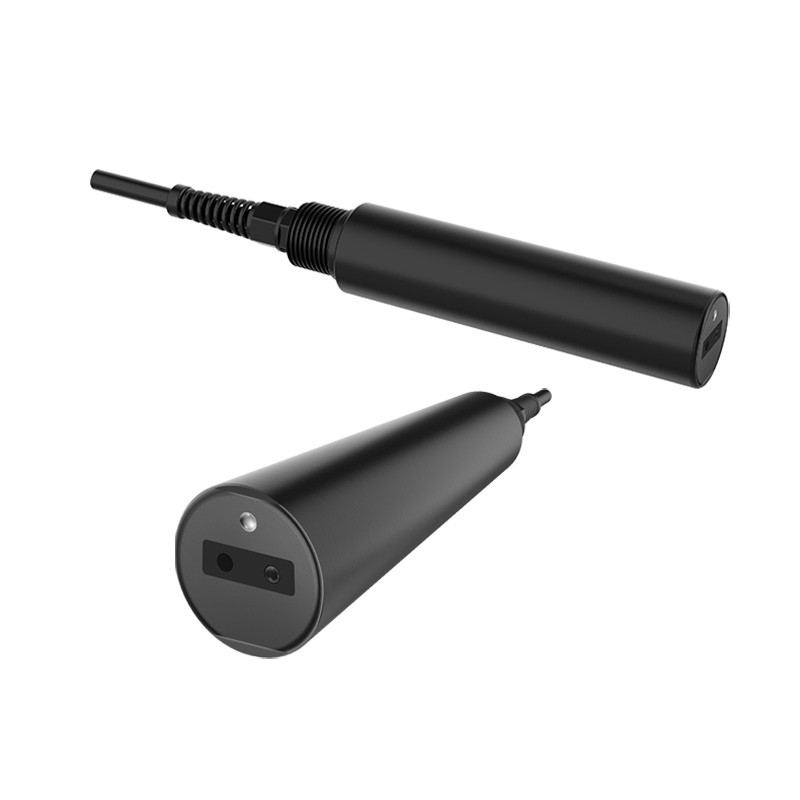
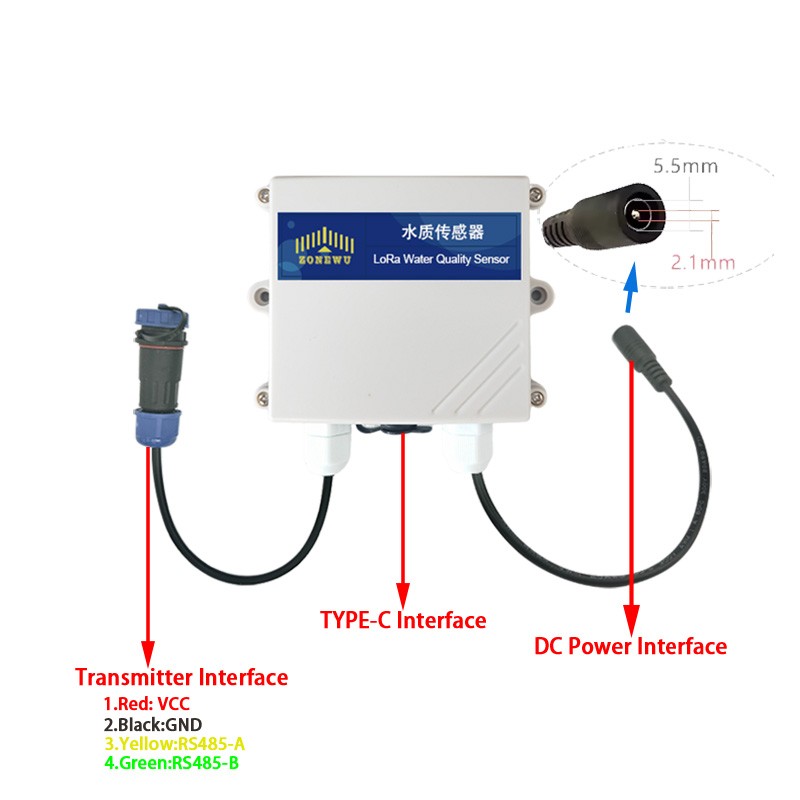
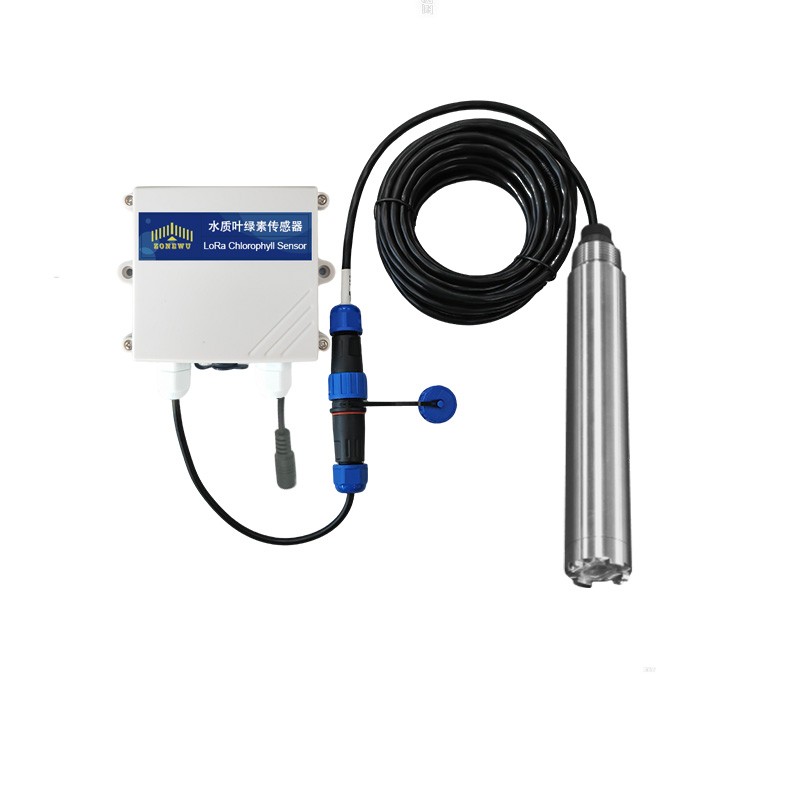
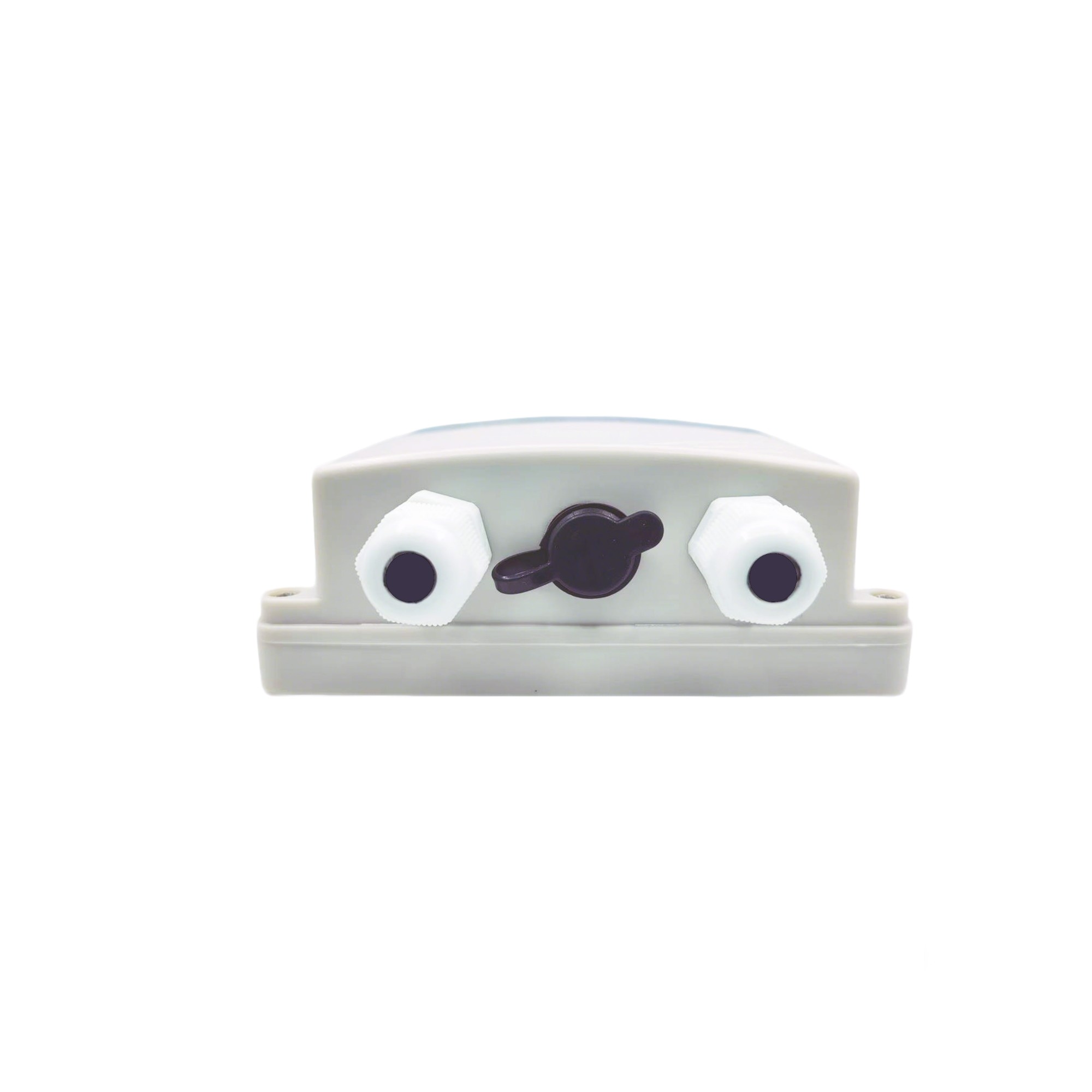
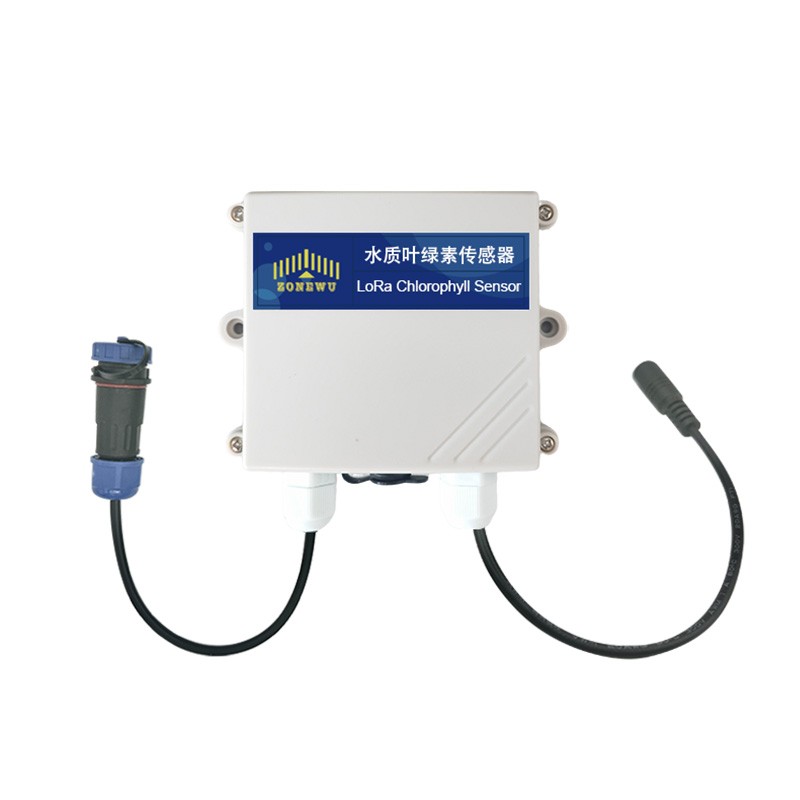
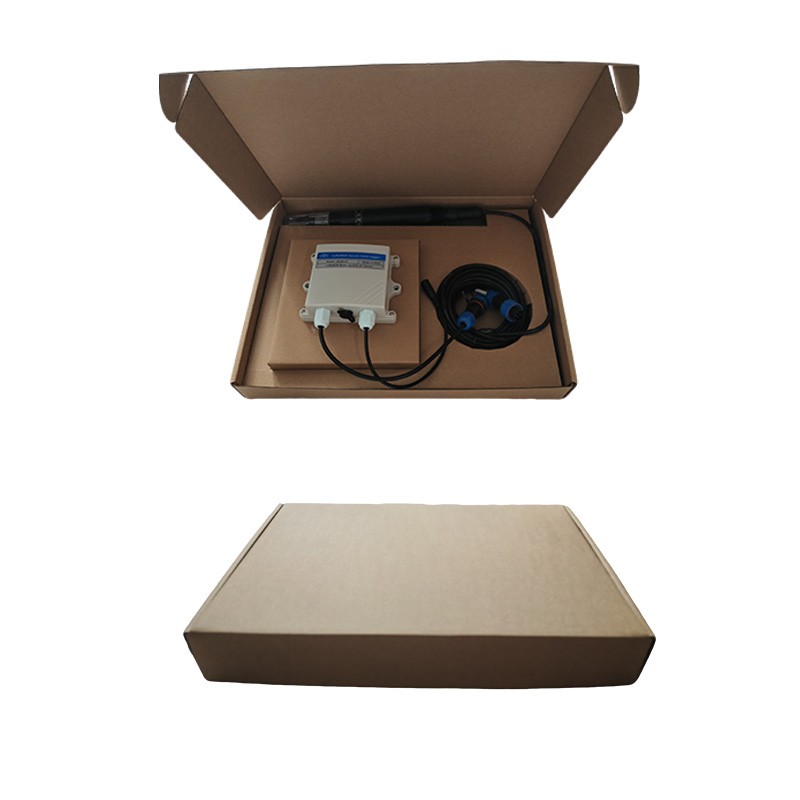
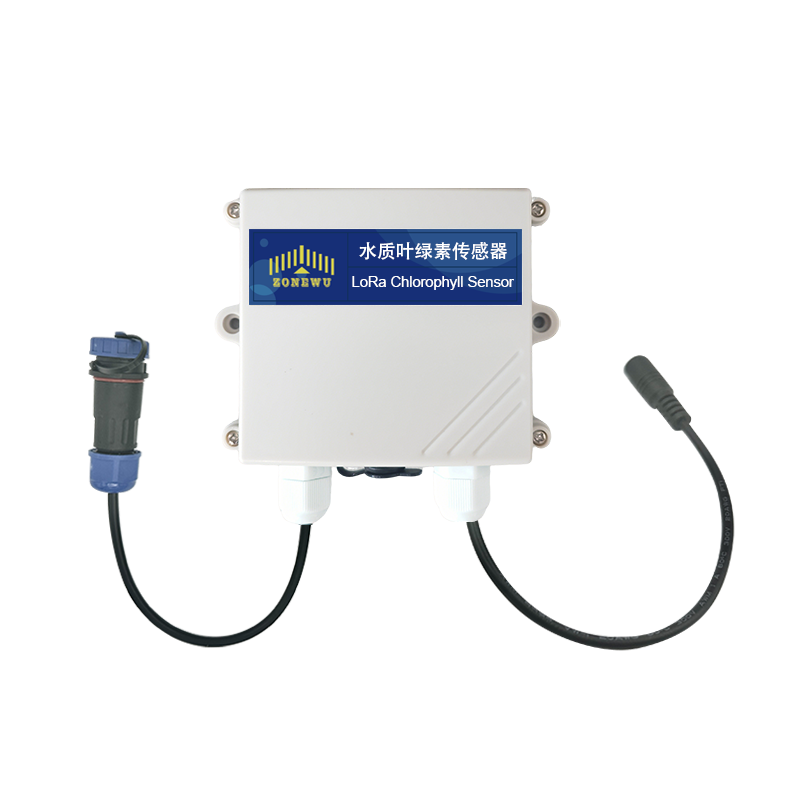
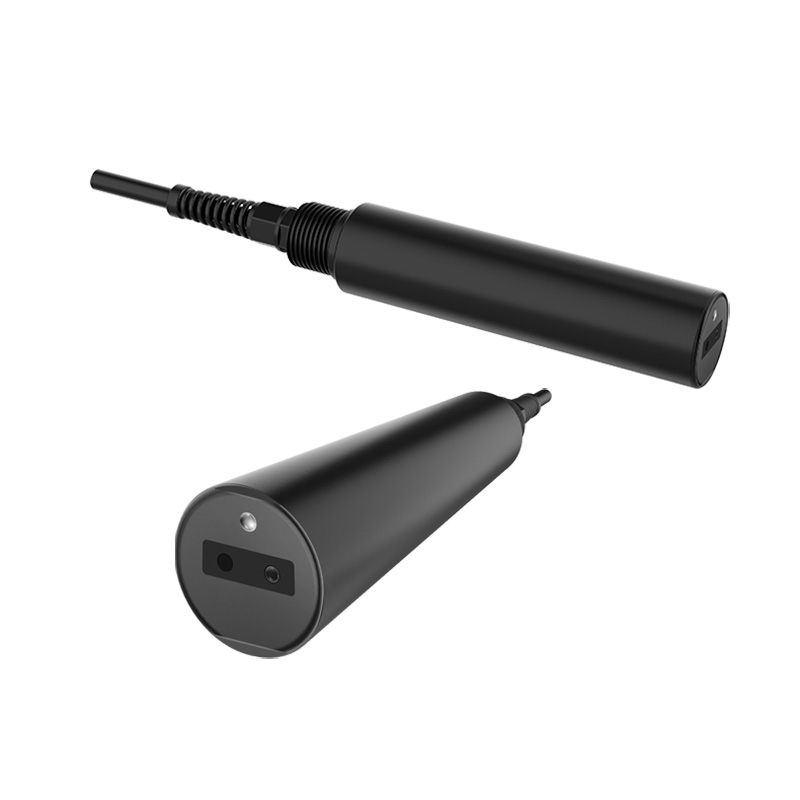
LoRaWAN water quality chlorophyll sensor is a device for measuring chlorophyll concentration in water bodies; The design method of using fluorescence principle and optical fiber to conduct the optical path; Internally added filtering algorithm, with strong resistance to external light interference.
ZONEWU - Industrial LoRaWAN Chlorophyll Sensor for Aquaculture Water Monitoring
ZONEWU LoRaWAN Water Quality Chlorophyll Sensor:
A LoRaWAN water quality chlorophyll sensor is an IoT monitoring device that integrates chlorophyll detection technology with LoRaWAN low-power wide-area network technology. It is widely used in scenarios such as water eutrophication monitoring and algal bloom early warning. Below is a detailed introduction covering core principles, key features, typical products, and main application scenarios:
1. Core Working Principle
The core detection component of the sensor operates based on the fluorescence method. Chlorophyll in water absorbs light energy and emits fluorescence when irradiated by a light source of a specific wavelength, and the fluorescence intensity is proportional to the chlorophyll concentration. The sensor captures the fluorescence signal through built-in optical components, and is equipped with a light filter to eliminate stray light interference. It also features a temperature compensation function to automatically correct deviations in detection results caused by water temperature changes. Finally, the processed concentration data is remotely transmitted to a cloud platform via the LoRaWAN module, enabling real-time data sharing.
2. Key Features
Low Power Consumption & Long Battery Life: Leveraging the low-power advantage of the LoRaWAN protocol, combined with battery or external DC power supply, some products are equipped with solar power supply systems, enabling continuous monitoring for months or even years. Suitable for scenarios without stable power supply such as remote water areas.
Long-Distance Transmission & Easy Networking: Supports multi-band communication including 470MHz and 868MHz, adapting to frequency band standards in different regions. It can achieve long-distance data transmission in complex terrains, and multiple sensors can be connected to the same gateway to easily build large-scale water quality monitoring networks.
Strong Environmental Adaptability: Most products are made of corrosion-resistant materials such as an IP68 protection rating, capable of withstanding a wide temperature range of -20℃ to 80℃. They can work stably in different water environments such as freshwater lakes, seawater, and wastewater.
Low Operation & Maintenance Costs: Some models are equipped with automatic cleaning devices that remove biological attachments on probes through mechanical brushes or ultrasonic waves, reducing the frequency of manual maintenance. They also support OTA upgrades and remote parameter configuration without on-site disassembly and debugging.
3. Main Application Scenarios
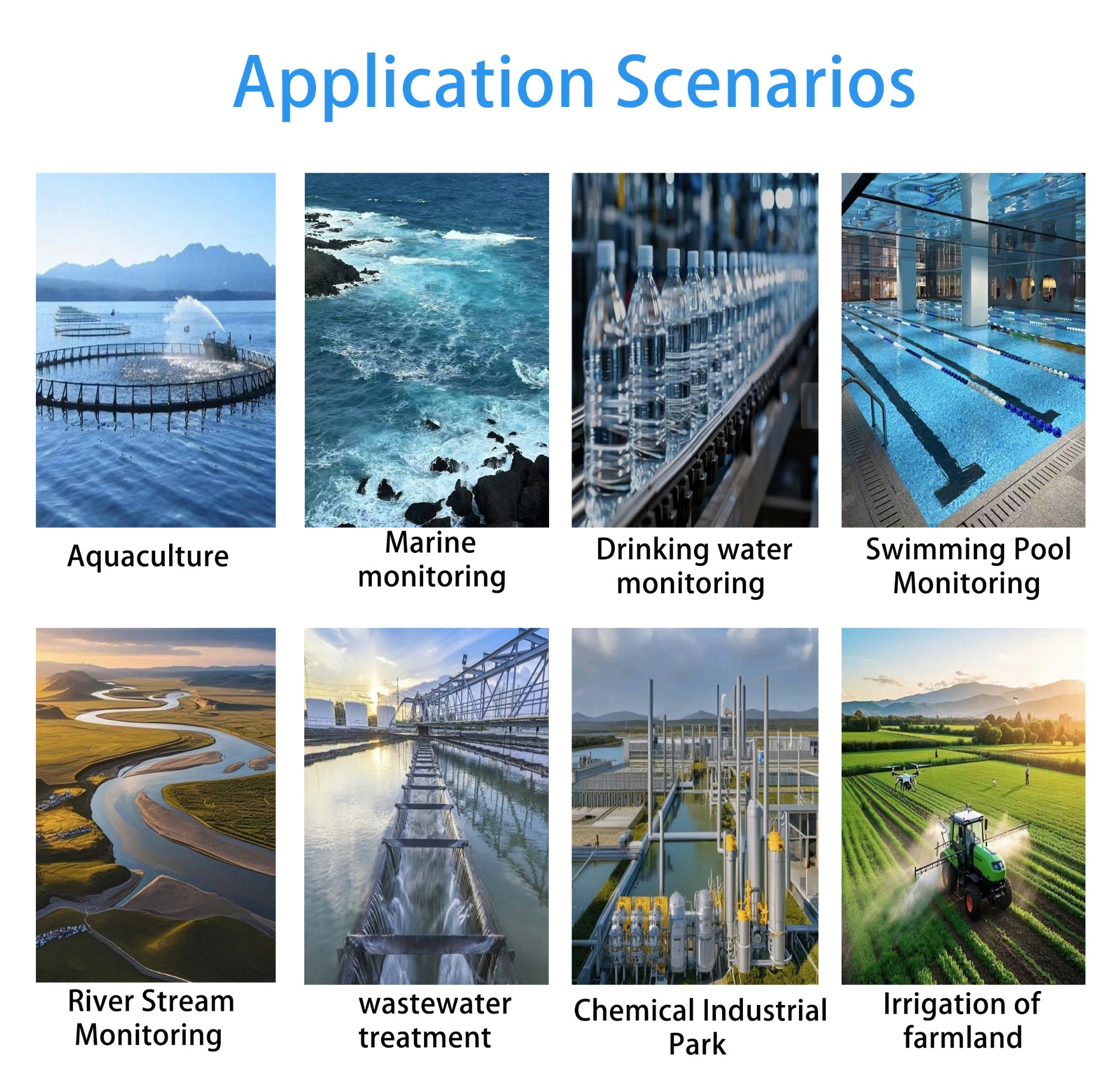
Natural Water Ecological Governance: Deployed in lakes prone to algal blooms (e.g., Taihu Lake, Dianchi Lake), major rivers, and reservoirs to real-time monitor changes in chlorophyll concentration, provide early warning of algal bloom disasters, and support water level regulation, algicide application, and other governance measures with data.
Drinking Water Source Protection: Installed in water intake ports of waterworks, drinking water source protection areas, and other regions to monitor chlorophyll content 24/7. An immediate early warning is triggered once the concentration exceeds the standard, facilitating waterworks to adjust purification processes in a timely manner.
Product Parameters
| Power Specifications | Rated Voltage:12VDC,Scope:DC10~28V |
| Rated input current: 500mA | |
| Interface specification: DC 5.5mm × 2.1mm (positive inside and negative outside) | |
| Measuring Principle | fluorescence method |
| Range and Resolution | 0~400.0 ug/L | 0.1 ug/L |
| Accuracy | ± 3% of reading, ± 0.3 ℃, linear: 0.999R2 |
| Temperature Compensation | Automatic temperature compensation (Pt1000) |
| Working Conditions | 0~50℃,<0.2 MPa |
| Electrode Usage Cycle | 6-12 months |
| Transmitter Line length | Default 5m (other lengths can be customized) |
| Frequency | CN470/IN865/EU868/RU864/US915/AU915/KR920/AS923-1&2&3&4 |
| Mode | OTAA Class A/C |
| Reporting cycle | 10 min(Default ) |
| Communication Protocol | LoRaWAN,LoRa TDMA Networking |
| Equipment information | AppEUI:331341E186891989 DevEUI:aaaa202404150001 AppKey:5572404c696e6b4c6f526132330313823 MAC Version: LoRaWAN 1.0.3 |
Product Applications
1.High sensitivity and accuracy:The LoRaWAN Water Turbidity Sensor adopts advanced electrochemical principles, can accurately measure the concentration of chlorophyll ions in water samples.
2.Real-time monitoring: The sensor can realize real-time monitoring and data analysis, and timely reflect the dynamic situation of water quality.
3.High stability and reliability: The sensor has high stability and reliability, can be continuously monitored for a long time, reduce the frequency of calibration and maintenance.
4.Automatic calibration: The sensor has an automatic calibration function, reducing the frequency and complexity of manual calibration.
5.low power consumption and anti-interference design: The sensor has low power consumption, and the internal circuit has anti-interference design to ensure the accuracy of measurement.
6.easy maintenance: The sensor structure is simple, easy to disassemble and clean, convenient for users to maintain and maintain.
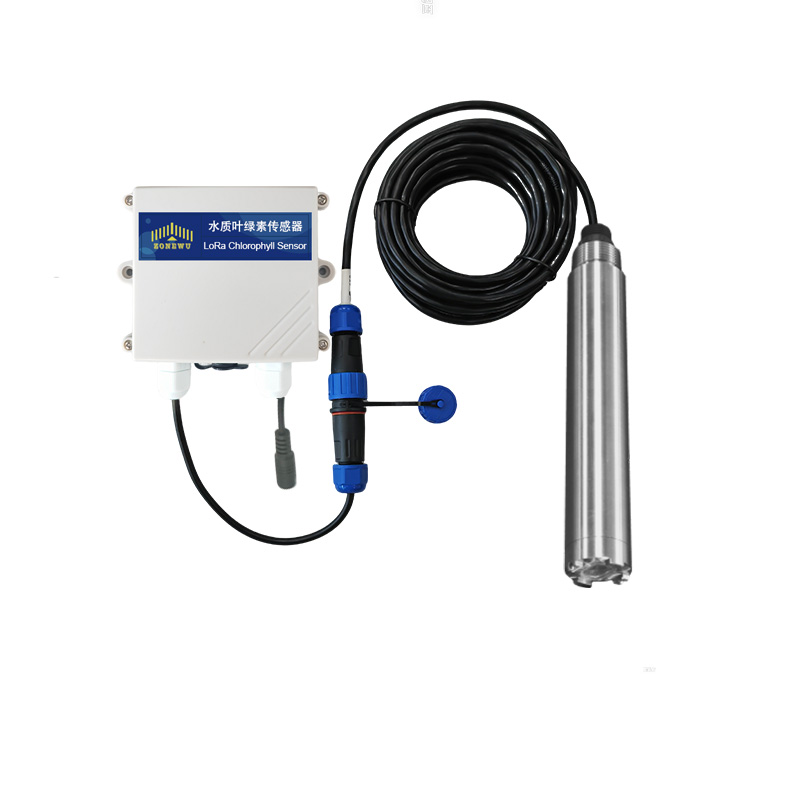
LoRaWAN Water Turbidity Sensor Size and Installation
Submerged installation: The lead wire of the equipment is passed through the waterproof pipe, and the 3/4 thread on the top of the equipment is connected with the 3/4 thread of the waterproof pipe with raw material tape.Make sure that the top of the equipment and the equipment lines are free of water.
Pipe Installation: Connect to the pipe through the 3/4 thread of the device.
Detailed Images


Common knowledge of LoRaWAN Water Turbidity Sensor
How can we extend electrode life
After using the sensor, please rinse the gearbox head with clean water, cover it with a protective cover, and dry it to prolong the life of the electrode.
What kind of environment can't you use?
Can't be used in water containing organic solvents. Because there are too many interfering ions in seawater and their concentrations are high, it is not recommended to use this device in seawater.
How to preserve your device
Equipment that is not used for a long time should be kept dry, and equipment for short storage should be maintained in a standard diluted solution of each ion.
Application Scenarios
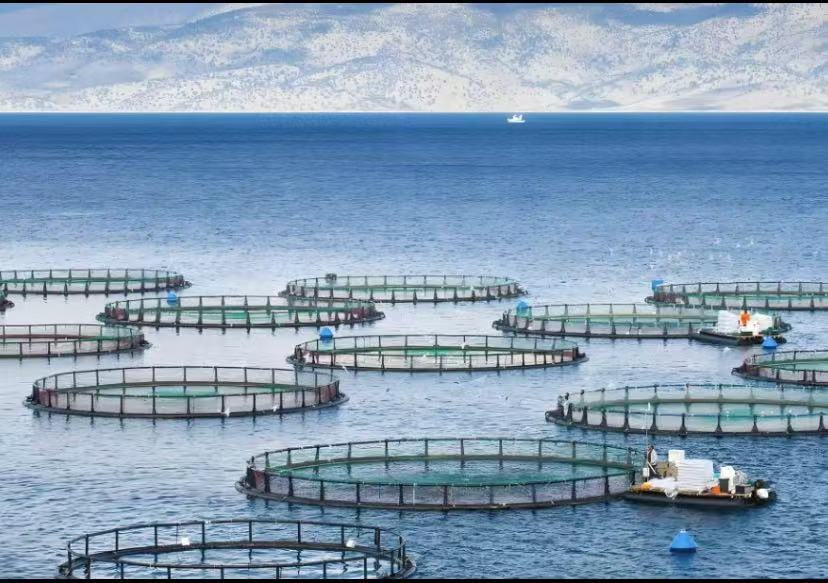
Aquaculture
Monitor the Turbidity ion concentration of aquaculture bodies to ensure the health of aquaculture organisms and the stability of water quality.

Seawater Monitoring
Monitoring the concentration of Turbidity ions in seawater is conducive to marine ecological research and the regulation of seawater aquaculture.
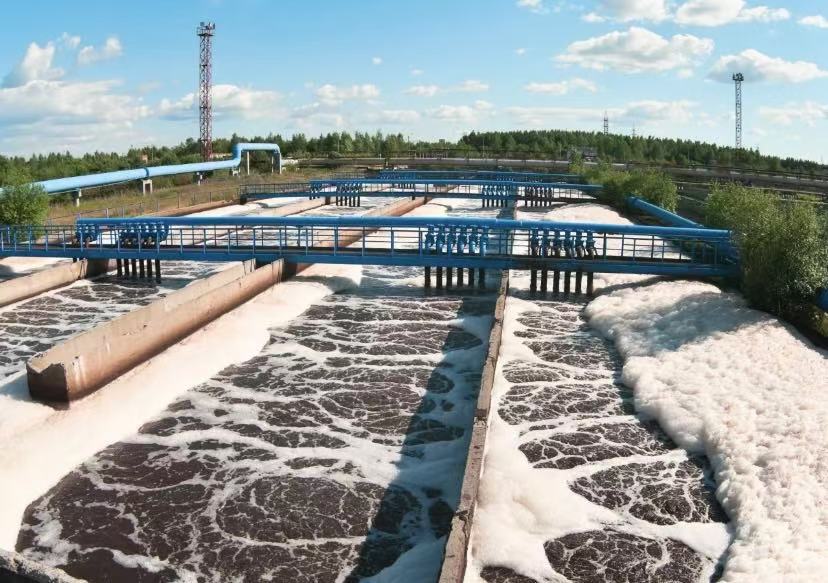
Industrial Wastewater
Monitoring the concentration of Turbidity ions in industrial wastewater helps with wastewater treatment and achieving compliance with discharge standards.
FAQ
1.Are you manufacture?
A:Yes,we are Tranmitter manufacturer and exporter in China with more than 10 years of CE,ROHS,FCC,ISO and 11 patents experience.
2.Do you offer OEM services?
A:Yes,we can provide you with OEM services and design housings and logos.
3.DO you offer free samples?
A:Sorry,we don't offer free samples.After ordering in bulk,we will deduct the sample fee from the second order.
Why Choose ZONEWU
Professional IoT Sensor Manufacturer
Specializes in R&D, production, and sales of IoT sensors with strong technical expertise
Products certified with international standards (e.g., CE, RoHS), ensuring high quality and long lifespan.
Products serve diverse industries such as water quality monitoring, environmental monitoring, and industrial automation, offering strong market adaptability.
Utilizes cutting-edge communication technologies like LoRaWAN and NB-IoT for remote, low-power data transmission.
Provides tailored products and OEM/ODM services to meet diverse application needs.
Contact: Qui
Phone: 18146178586
Tel: 18146178586
Email: qui@zonewu.com
Add: 1501-3, Building F03, Phase III, Software Park, Jimei District, Xiamen City, Fujian Province, China